
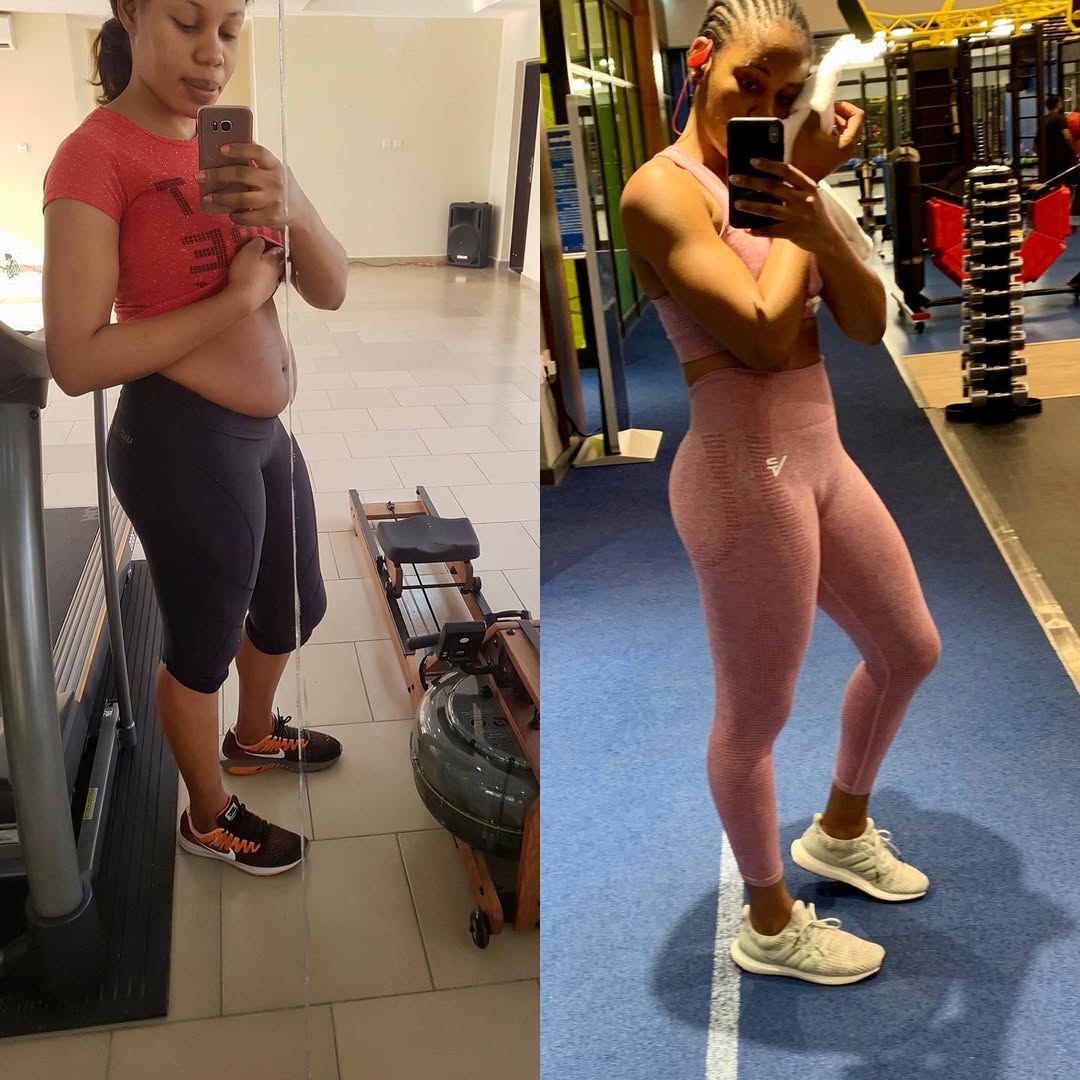
A C-section isn't just a birth — it's major abdominal surgery. And yet most online postpartum content treats vaginal delivery and C-section like the same recovery. They aren't. Here's what the first 12 weeks actually look like, and why.
Why C-section recovery is different
When you have a C-section, seven layers of tissue are cut and stitched back together: skin, fat, fascia, muscle, peritoneum, uterine wall, and uterine lining. The scar you see on the outside is the smallest part of what's healing. Your core is essentially in pieces for the first several weeks, and how you treat it in those weeks determines how strong it becomes.
Week 0–2: rest and scar care
This is not optional. You are recovering from major surgery. The priorities are:
- Sleep when possible
- Eat protein at every meal (your tissue needs it to rebuild)
- Gentle walking — literally to the kitchen and back, increasing slowly
- Diaphragmatic breathing — the only "core work" that's safe
- No lifting anything heavier than your baby
Week 2–4: scar care begins
Once your incision has closed externally (usually by week 2), you can begin gentle scar massage. Clean hands, 2 minutes a day, gently rolling the scar in circles. This prevents adhesions that can cause back pain, pelvic pain, and poor core function for years if left untreated.
Week 4–6: movement returns
Short walks become longer. You can begin pelvic floor activation (gentle kegels). You can do cat-cows and very gentle glute bridges. Nothing that bears weight on your core. Nothing that engages the rectus abdominis. Nothing that involves twisting.
Week 6–8: the real clearance check
Your 6-week OB/GYN visit. Ask specifically about core work, about diastasis (which is more common after C-section), and about any pelvic floor concerns. Many doctors clear you for "exercise" without realizing you're planning to do HIIT. Ask specific questions.
Week 8–12: rebuilding the core without breaking the scar
This is where most women go wrong — they try to do normal ab exercises and end up with scar pain, diastasis that won't close, or back problems. The right approach:
- Start with diastasis-safe core exercises
- Continue daily scar massage
- Add gentle bodyweight strength (glute bridges, bird dogs, wall push-ups)
- Build up walking distance
5 moves that are SAFE from week 8
- Heel slides (lying down)
- Glute bridges
- Bird dog (watch for doming)
- Wall push-ups
- Standing marches
5 moves to absolutely avoid until month 4+
- Crunches or sit-ups
- Planks (even modified — too much scar tension)
- Twisting movements
- Running or high-impact cardio
- Heavy lifting (>15 lbs that requires bracing)
Warning signs during exercise
Stop and see your doctor if you experience:
- Sharp pain at the scar
- Pulling or tearing sensations
- Bleeding that returns after it had stopped
- Persistent lower back pain after movement
- Doming or bulging when you engage your core
Month 4+: the gradual return
By month 4, if you've built the foundation, you can start progressing. Light resistance training. More dynamic movement. By month 6, many women are ready to return to running, lifting, and fuller workouts — but only if they've done the foundational work first.
The long game
Here's the part no one tells you: a C-section scar takes up to 2 years to fully heal internally. That doesn't mean you can't work out. It means you have to respect the process. Women who skip steps pay for it later — often with years of back pain, pelvic floor issues, or stubborn diastasis.
The Strong Mama System includes a full C-section track with modifications at every stage. See the full program, or start with the free 7-day plan to test the method first.